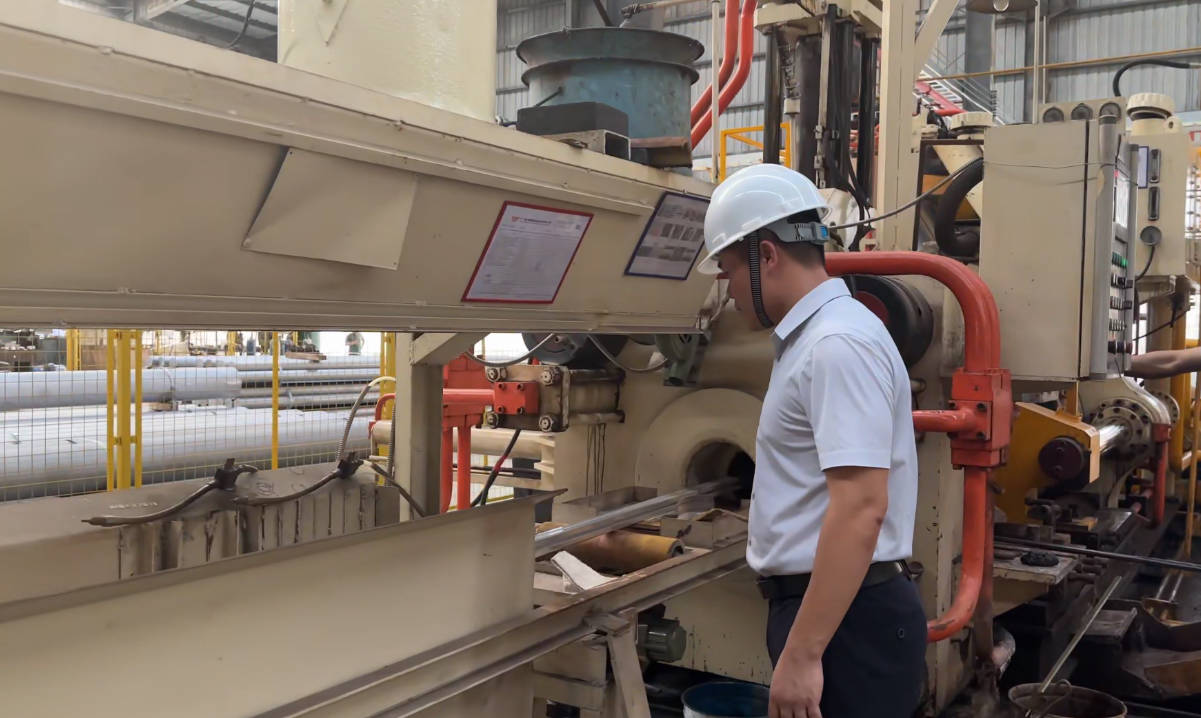
1. Extrusion Process
The production of aluminum alloys begins with the extrusion process, where aluminum billets are heated to a specific temperature and forced through a mold to create long profiles. This method allows for the creation of complex shapes and is often used in industries like construction, automotive, and aerospace. The extrusion process enables aluminum profiles to be customized in terms of size, thickness, and shape, providing flexibility for various applications.
2. CNC Machining
Once the aluminum profile is extruded, precision machining comes into play. CNC (Computer Numerical Control) machining allows for extremely accurate cutting, drilling, and shaping of the material. This is particularly important for applications where tight tolerances are required, such as in the medical device, electronics, and aerospace industries. CNC machining ensures that each aluminum part fits perfectly with other components, ensuring proper functionality and performance.
3. Anodizing and Surface Treatments
One of the key steps in aluminum alloy production is anodizing, a process that enhances the material's corrosion resistance and surface hardness. During anodizing, aluminum is electrochemically treated to create a protective oxide layer on its surface. This layer not only makes the alloy more resistant to corrosion but also improves its aesthetic appeal by adding a matte or glossy finish. Surface treatments, such as powder coating, are also commonly used to provide additional protection and aesthetic qualities.
4. Quality Control
Throughout the manufacturing process, strict quality control measures are implemented to ensure that the final product meets industry standards. This includes checks for dimensional accuracy, surface finish, and mechanical properties. High-quality aluminum alloys are critical for industries that require precision and reliability, such as automotive, medical, and aerospace sectors.
5. Customization Options
Aluminum alloys can be customized in a variety of ways to meet specific requirements. Whether it's adjusting the alloy's composition to improve strength or modifying the surface finish for a particular aesthetic, manufacturers have a range of options to tailor the material to meet the needs of their clients. This flexibility makes aluminum alloys a popular choice for businesses looking for both performance and customization.
Conclusion: Engineering Excellence for a Sustainable Future
The advanced manufacturing techniques behind aluminum alloys, including extrusion, CNC machining, and anodizing, contribute to creating materials that are lightweight, durable, and versatile. These processes ensure that aluminum alloys continue to be a key material for industries seeking performance, precision, and sustainability. As demand for eco-friendly solutions grows, aluminum alloys are poised to play a significant role in the future of manufacturing, offering a sustainable and reliable solution for a wide range of applications.