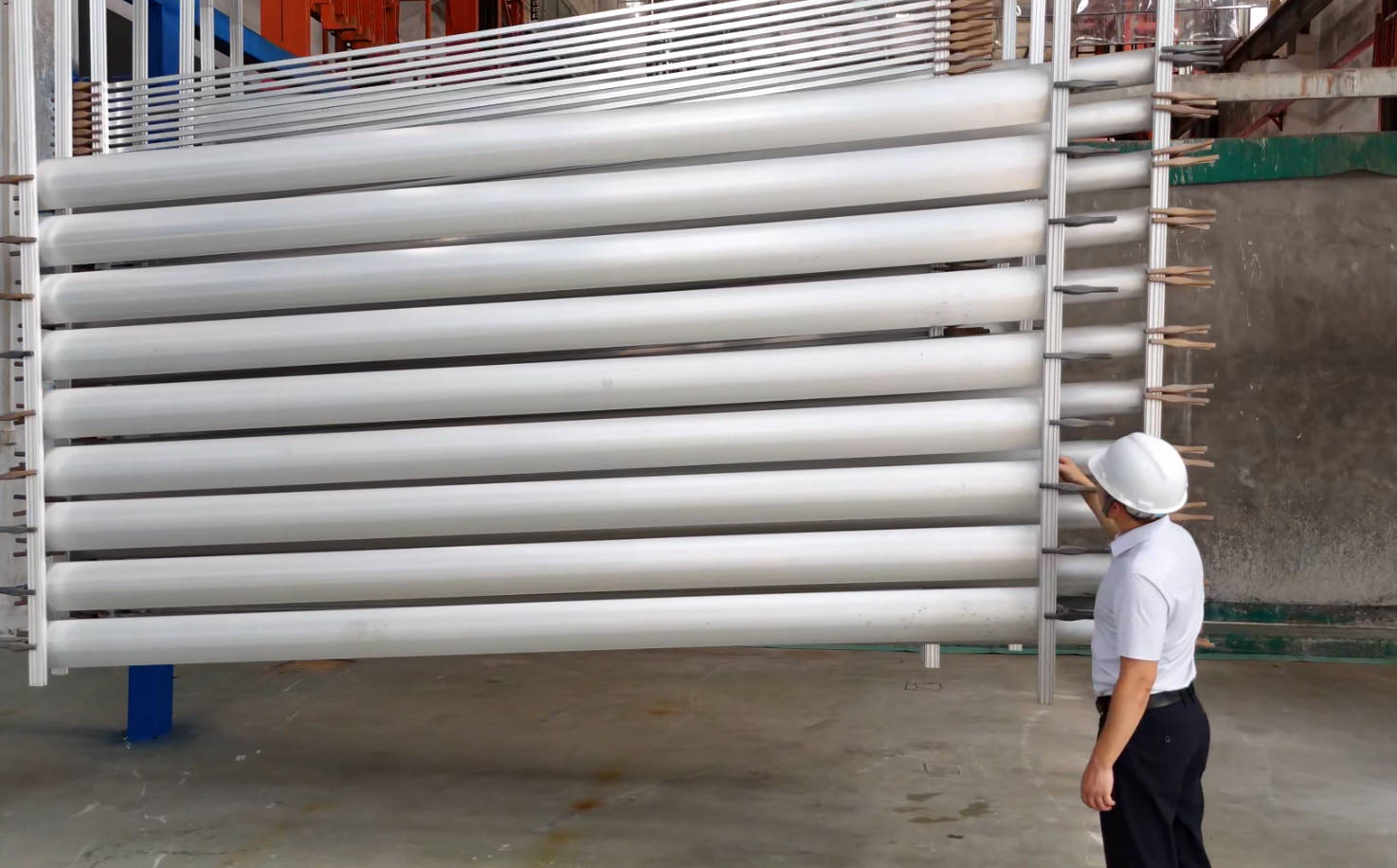
The Rise of 6-Series Alloys in Aerospace and Automotive
One of the key drivers behind the adoption of 6-series aluminum alloys is their ability to offer exceptional strength while maintaining a low weight. In the aerospace industry, this allows for the creation of lightweight yet durable aircraft components, reducing fuel consumption and improving performance. In the automotive sector, the alloys are increasingly being used in engine components, body panels, and structural parts to improve fuel efficiency and reduce overall vehicle weight.
Corrosion Resistance and Durability
6-series aluminum alloys are known for their excellent resistance to corrosion, especially in harsh environments. This makes them an ideal choice for industries where materials are exposed to extreme conditions, such as in marine, automotive, and outdoor construction applications. Their durability extends the lifespan of products and reduces the need for frequent replacements, making them a cost-effective solution for long-term use.
Versatility and Customization in Manufacturing
6-series alloys are highly versatile, allowing for customization to meet the specific requirements of different industries. Manufacturers can adjust the alloy's composition to improve strength, flexibility, or other properties depending on the application. This adaptability makes 6-series aluminum alloys the ideal choice for a wide range of industries seeking performance-driven, customizable materials.
Sustainability and Efficiency
As sustainability becomes a top priority for manufacturers globally, 6-series aluminum alloys offer an environmentally friendly solution. Aluminum is highly recyclable, and the growing focus on recycling has made these alloys even more attractive. With their long lifespan and ability to be reused, 6-series alloys are contributing to the reduction of industrial waste and the move toward a circular economy.